Choosing outdoor cover involves more than looks. Cost, planning rules and ongoing care all differ between a simple patio, a pergola and an awning. This guide compares the three options so you can weigh flexibility, shelter and long-term effort before deciding what suits your space best.
Creating a comfortable outdoor area often starts with a choice between an open patio, a fixed pergola or a modern awning. Each option changes how you use the space and what you spend over time. An open patio offers simplicity but little weather protection. A pergola adds structure and partial shade yet remains largely permanent. A retractable waterproof awning delivers an adjustable cover that responds to sun or rain. Understanding the differences in cost, planning requirements and upkeep helps homeowners match the solution to their needs and budget without unexpected complications later.
Understanding the Three Options
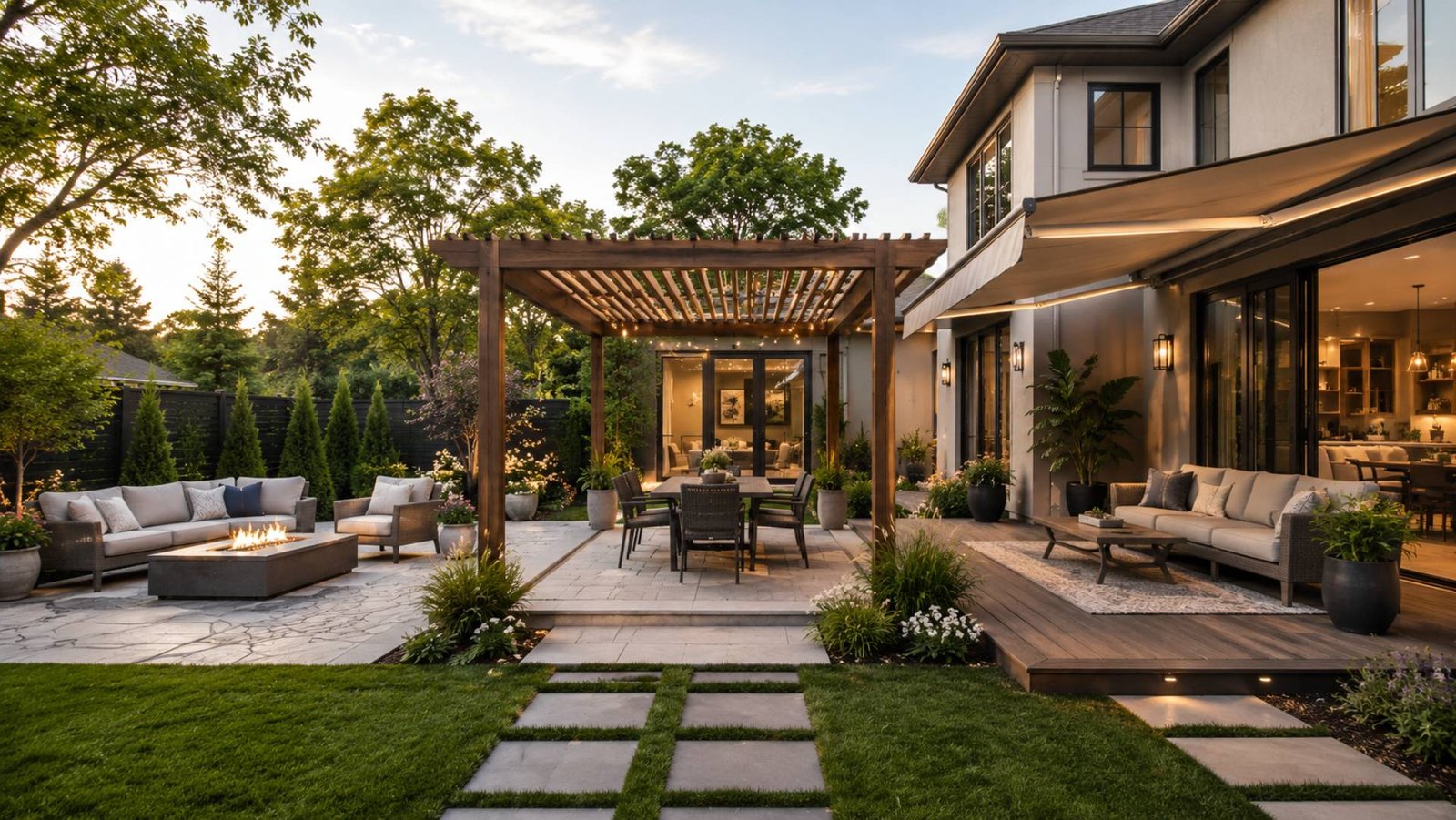
A patio is essentially a paved or decked surface. It provides a firm base for furniture but leaves the area open to weather. A pergola is a freestanding or wall-attached frame, usually with open or partially covered rafters. It creates a defined outdoor room and supports climbing plants or fixed shading. An awning, particularly a retractable model, mounts to a wall or stands independently and extends or retracts as required. The key distinction lies in flexibility and the level of weather protection each provides.
Comparing Initial Costs
Cost varies widely depending on size, materials and features. An open patio mainly involves surface materials and labour for laying. Prices rise with higher-quality stone or complex shapes. A pergola requires structural timber or metal, foundations or wall fixings, and any roofing or side panels. The total usually exceeds a basic patio because of the framework. A retractable waterproof awning sits between the two in many cases. Made-to-measure units with quality fabric and mechanisms carry a clear upfront price, yet they avoid the full structural work of a pergola and the limited shelter of a plain patio.
1. Factors That Drive Patio Costs
Surface choice dominates. Basic concrete or simple paving stays relatively affordable. Natural stone, intricate patterns or drainage improvements increase the figure. Labour and site preparation also add up, especially on uneven ground.
2. What Influences Pergola Pricing
Frame material, size and roof style matter most. Softwood costs less than hardwood or aluminium. Adding fixed roofing, side screens or integrated lighting raises the total. Groundworks or wall strengthening can form a significant part of the budget.
3. Cost Considerations for Awnings
Size, fabric grade, frame quality and optional extras such as motors, sensors or heating determine the price. A well-specified retractable waterproof awning includes professional measuring and fitting, which protects performance and longevity. Finance options sometimes spread the outlay.
Planning Permission and Installation Requirements
Planning rules differ across the three choices. An open patio usually needs no permission unless it significantly alters drainage or sits in a conservation area. A pergola may fall under permitted development if it stays within height and size limits, yet larger or permanent structures can require formal approval. Retractable awnings are often treated as permitted development for residential properties when they meet projection and height guidelines, though checking with the local authority remains wise. Installation complexity follows a similar pattern. Patios demand groundwork. Pergolas need secure foundations or wall fixings. Awnings require accurate wall mounting or freestanding supports and professional fitting to ensure smooth operation and weather sealing.
Ongoing Upkeep Compared
Maintenance effort and cost separate the options clearly over time. An open patio needs occasional cleaning, joint re-sanding and attention to any cracks or weeds. A pergola requires regular inspection of timber for rot or metal for corrosion, plus cleaning of any fixed covers. Climbing plants add further care. A retractable waterproof awning needs simple fabric cleaning with mild soap and water, plus occasional checks on the mechanism. The cassette design protects the fabric when retracted, reducing weather exposure. Retracting the unit in strong winds or during long periods of non-use helps preserve its condition.
Flexibility and Everyday Use
An open patio works well in fine weather yet offers no shelter from rain or strong sun. A pergola provides consistent partial shade and a sense of enclosure but cannot fully exclude rain unless additional roofing is fitted. A retractable waterproof awning adjusts to conditions. Extend it for shade or rain protection, retract it for open sky. Optional sensors, lighting and heating further extend usable hours. This adaptability often makes the awning the most versatile of the three for changeable British weather.
Expert Insights on Long-Term Value
Outdoor specialists emphasise matching the solution to how the space will actually be used. Fixed structures suit those who want a permanent architectural feature. Adjustable cover suits households that value seasonal flexibility. Quality of materials and professional installation influence how long any option lasts and how little trouble it causes. Looking beyond the initial price to include planning time, fitting quality and annual care gives a clearer picture of true cost.
Making the Decision That Fits Your Space
Start by listing the main uses of the outdoor area and the weather protection required. Measure the available wall or ground space accurately. Compare quotes that include all elements rather than base prices alone. Consider future needs such as evening use or extended seasons. Checking local planning guidance early avoids delays. Viewing samples of fabric, timber or paving helps judge quality and appearance in real conditions.
Weighing Cost, Planning and Care Together
Choosing between a patio, a pergola and an awning involves balancing upfront spend, regulatory steps and ongoing effort. An open patio keeps costs and planning simple yet offers limited shelter. A pergola creates a defined outdoor room at higher structural cost and moderate maintenance. A retractable waterproof awning delivers adjustable weather protection with comparatively straightforward planning in many cases and modest upkeep. By examining cost drivers, permission requirements and care demands side by side, homeowners can select the option that best matches their lifestyle and budget. The right choice turns an outdoor space into one that stays comfortable and usable across more of the year without unnecessary complication or surprise expense.