Maintaining your home’s heating system is essential to ensuring warmth and comfort. Learn how to bleed and balance radiators to improve efficiency, reduce energy costs, and keep your home warm—especially in older homes.
As winter sets in, the last thing any homeowner wants is for their radiators to stop working efficiently. Cold spots on your radiator, uneven heating, or an increase in your heating bills can all be signs that your system needs some attention. Luckily, bleeding and balancing your radiators are simple yet effective tasks that can restore your heating system’s performance.
In this guide, we’ll take you through the essential steps to keep your radiators in top shape. Plus, we’ll answer a key question: Can TRVs reduce heating costs in old homes? Read on to learn how to ensure your radiators are working efficiently, so your home stays warm without draining your wallet.
Identifying Common Radiator Issues
Before we dive into the process of bleeding and balancing, it’s important to understand why these steps are necessary.
- Cold spots: If the top of your radiator is warm but the bottom remains cold, there might be trapped air in the system.
- Uneven heating: When your radiators aren’t heating up evenly, some areas may be too hot while others are cold.
- Increased energy bills: An inefficient heating system uses more energy to heat your home, which leads to higher costs.
These problems can often be solved by taking the time to bleed and balance your radiators. Here’s how.
How to Bleed Your Radiators
Bleeding a radiator is a simple task that helps remove trapped air. Over time, air can get trapped inside your heating system, reducing its efficiency. When air pockets accumulate, they can prevent the hot water from circulating properly, leaving certain areas of your home cold.
Step-by-Step Bleeding Process
- Turn off your heating system
Always turn off your central heating before you start bleeding your radiators to avoid hot water spraying out. - Gather your tools
You’ll need a radiator key (available at most DIY stores), a cloth or towel, and a bowl to catch any water that may escape. - Locate the bleed valve
The bleed valve is typically located at the top of the radiator, at one end. You’ll recognize it as a small, square or round valve. - Open the valve
Place the cloth or towel underneath the valve to catch any water. Insert the radiator key and slowly turn the valve counterclockwise. You should hear a hissing sound as the air escapes. When water starts to flow out, quickly close the valve. - Check the pressure
After bleeding the radiators, check your boiler’s pressure gauge. If it’s too low, you may need to top up the system with water.
Balancing Your Radiators for Optimal Efficiency
Once all your radiators have been bled, balancing them ensures that they heat your home evenly. Balancing involves adjusting the flow of water to each radiator to ensure that they all heat up at the same time and at the same rate.
How to Balance Your Radiators
- Turn on your heating
Turn the heating system back on and set it to a high temperature so that all radiators are operating at full capacity. - Identify which radiators need balancing
Start with the radiator that is furthest from the boiler. This one will often take the longest to heat up and might require more adjustment. - Adjust the thermostatic valve
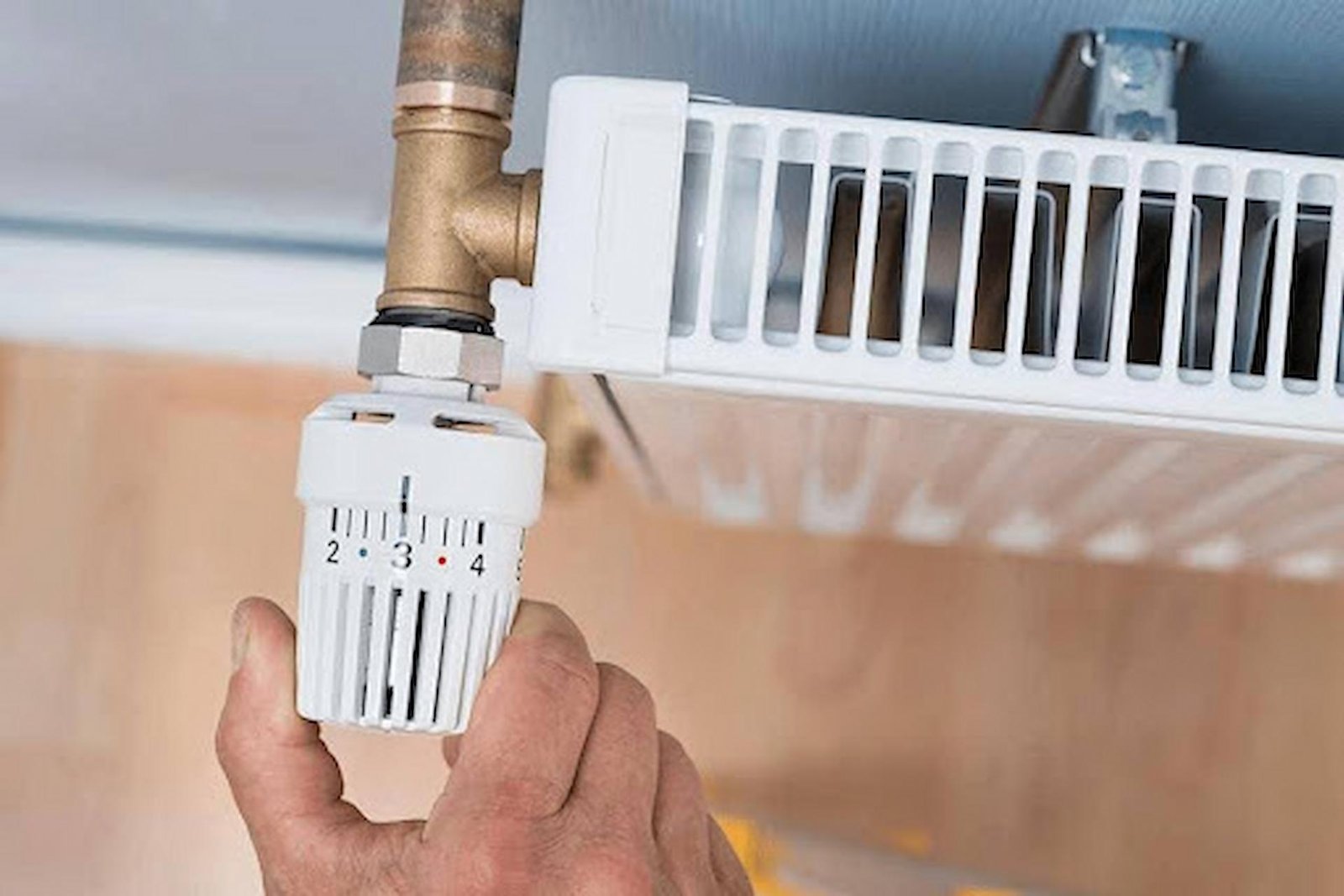
Each radiator has a valve that controls the water flow. Close the valve on the radiators closest to the boiler (clockwise) to restrict the flow. Gradually open the valve on the radiators further from the boiler until they heat up at the same rate. - Check the temperature
Use a thermometer to check that all radiators are heating evenly. Adjust the valves further as needed.
Do TRVs Help Lower Heating Costs in Older Homes?
Thermostatic Radiator Valves (TRVs) are a great addition to any heating system, particularly in older homes where heating may be inefficient. TRVs allow you to control the temperature in each room independently, ensuring that you’re not wasting energy heating rooms that aren’t in use.
By installing TRVs, you can prevent over-heating and reduce the need for constant system-wide adjustments, saving you money on energy bills. So, can TRVs reduce heating costs in old homes? Absolutely. They offer precise control, reduce energy waste, and provide a more comfortable living environment.
Tips for Maintaining Your Radiators
To keep your radiators in good condition throughout the year, follow these maintenance tips:
- Regularly bleed your radiators
At least once a year, check your radiators for air buildup and bleed them if necessary. - Keep your radiators clean
Dust and dirt can affect the performance of your radiator. Wipe them down with a soft cloth regularly. - Check for leaks
A small leak can lead to inefficient heating and water damage. Keep an eye out for signs of water pooling around your radiator or pipework. - Use TRVs
As mentioned, installing TRVs is a cost-effective way to improve efficiency. Ensure they’re set properly to prevent energy waste.
Conclusion
Taking the time to bleed and balance your radiators is an easy yet effective way to ensure that your heating system is working efficiently. Not only does this improve the warmth in your home, but it also helps lower your energy bills. Additionally, installing TRVs can provide extra control over your heating system, making it especially beneficial in older homes. Keep these tips in mind, and your home will remain cozy and energy-efficient throughout the colder months.