Introduction
Green infrastructure is becoming a core part of modern development. It supports healthier places, stronger communities, and more resilient projects. Whether you are working on housing, commercial sites, or mixed-use developments, green infrastructure adds long-term value. It is no longer seen as an optional extra. Instead, it is a practical approach that improves how land performs over time.
By taking a planned approach, developers can meet policy goals, improve project outcomes, and create spaces that people genuinely want to use.
Understanding Green Infrastructure
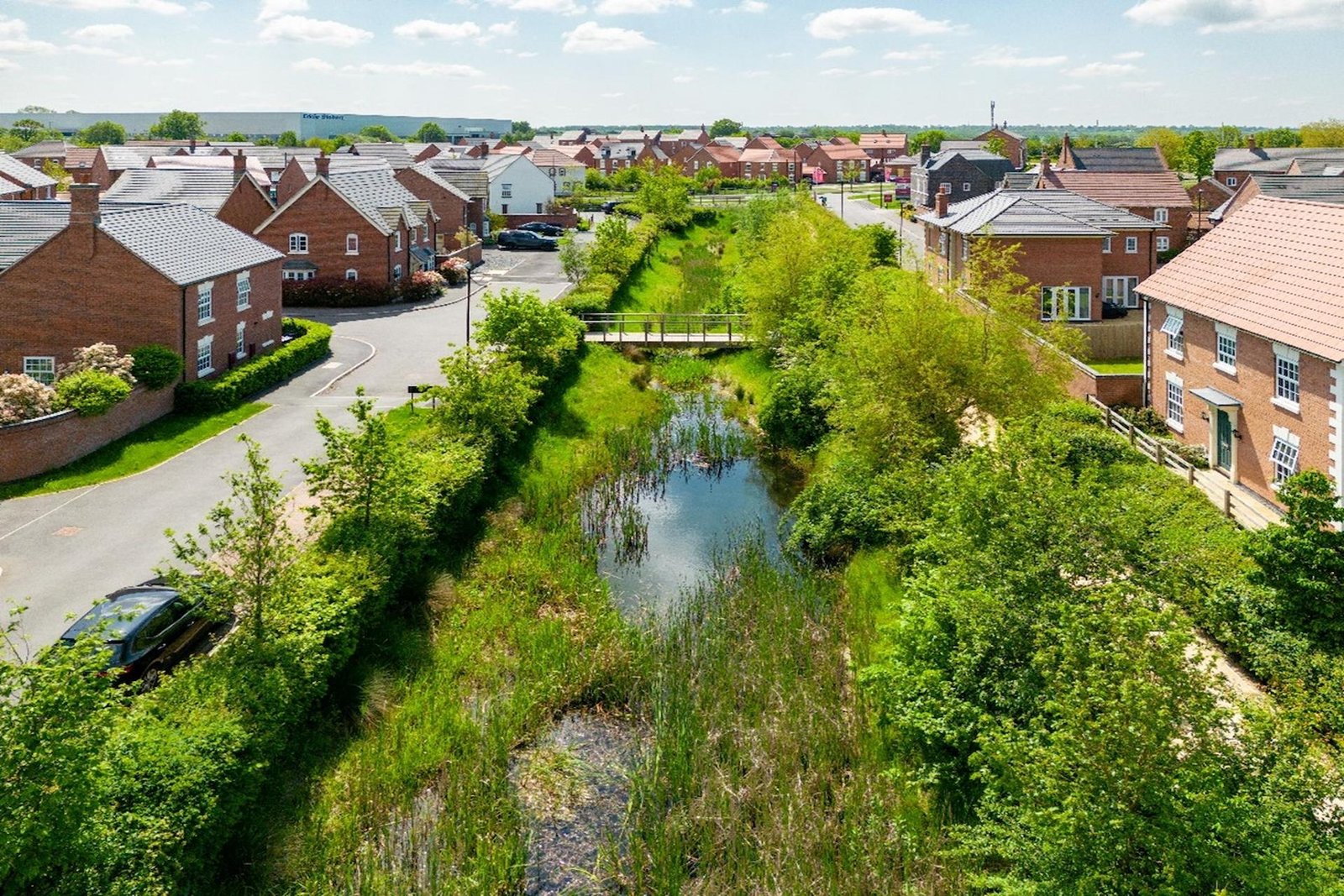
Green infrastructure refers to natural and planned green features that work together across a site. These features manage water, support wildlife, and improve everyday environments. They include planted areas, open spaces, and natural systems that support land use.
The key idea is connection. Green infrastructure links spaces so they function as a whole rather than as isolated features. This approach supports both people and nature while keeping development practical.
Why Green Infrastructure Matters in Development
Modern projects face growing pressure. Land must work harder. Communities expect better outcomes. Planning policies demand stronger environmental responses.
Green infrastructure helps meet these challenges. It improves site performance while supporting planning approval. Well-designed green spaces also reduce future risks linked to flooding, overheating, and land stress.
This makes green infrastructure a sensible investment rather than a cost.
The Role of Green Infrastructure Consultancy
Professional guidance makes a clear difference. Green infrastructure consultancy helps shape projects from the earliest stages. Consultants assess land conditions, constraints, and opportunities before design decisions are fixed.
This early input prevents costly changes later. It also ensures green features are integrated properly rather than added at the end. With expert advice, green infrastructure becomes part of the project structure.
When supported by Green infrastructure planning, projects achieve stronger balance between built form and open space. Within this context, services aligned with https://artemis.uk.net/green-infrastructure-planning/ show how planned green solutions improve outcomes across different development types.
Improving Planning Approval and Compliance
Planning authorities now expect clear environmental thinking. Green infrastructure helps demonstrate responsible land use. It shows how development responds to local and wider needs.
Strong planning documents explain how green features support drainage, access, and wellbeing. This clarity improves trust between developers and planning bodies.
By using Green infrastructure consultancy early, developers can reduce delays. Clear strategies also make consultation smoother and more transparent.
Enhancing Community Experience
Green infrastructure improves how people experience a place. Well-planned green areas encourage walking, rest, and social use. They soften built environments and reduce stress.
In residential projects, green infrastructure supports daily life. It creates shared spaces that feel safe and welcoming. In commercial settings, it improves comfort and appearance for staff and visitors.
Green infrastructure planning helps these spaces feel intentional rather than leftover. This improves long-term satisfaction and use.
Supporting Environmental Performance
Green infrastructure supports natural systems. It helps manage water on site and reduces pressure on drainage networks. This is especially important as weather patterns become less predictable.
Planted areas also improve air quality and reduce heat build-up. Over time, this creates more comfortable environments for people and wildlife.
With the support of Green infrastructure consultancy and structured Green infrastructure planning, developers can embed natural systems into projects from the earliest stages. This approach ensures green features are purposeful, policy-aligned, and deliver long-term value. Expert guidance available through https://artemis.uk.net/ demonstrates how early planning strengthens environmental performance while supporting smoother project delivery.
Long-Term Value for Developers
Projects designed with green infrastructure often age better. Landscapes mature. Spaces adapt. Maintenance demands are reduced because systems work naturally.
This long-term view protects investment. It also supports reputation, as well-planned sites remain attractive and functional over time.
Green infrastructure planning helps developers think beyond completion. It focuses on how places will perform years into the future.
Integrating Green Infrastructure Across Project Types
Green infrastructure works at all scales. From small sites to large developments, its principles remain relevant.
The key is proportion and relevance. Features must suit the site and its users. Professional input ensures green infrastructure feels natural rather than forced.
When guided correctly, green infrastructure becomes a framework rather than a feature.
Conclusion
Green infrastructure improves projects by supporting stronger planning, better environments, and long-term value. It helps developers respond to environmental needs while creating places people enjoy. Through expert Green infrastructure consultancy and structured Green infrastructure planning, projects benefit from early clarity and lasting performance. By integrating natural systems into design from the start, green infrastructure transforms land development into a more balanced and resilient process.